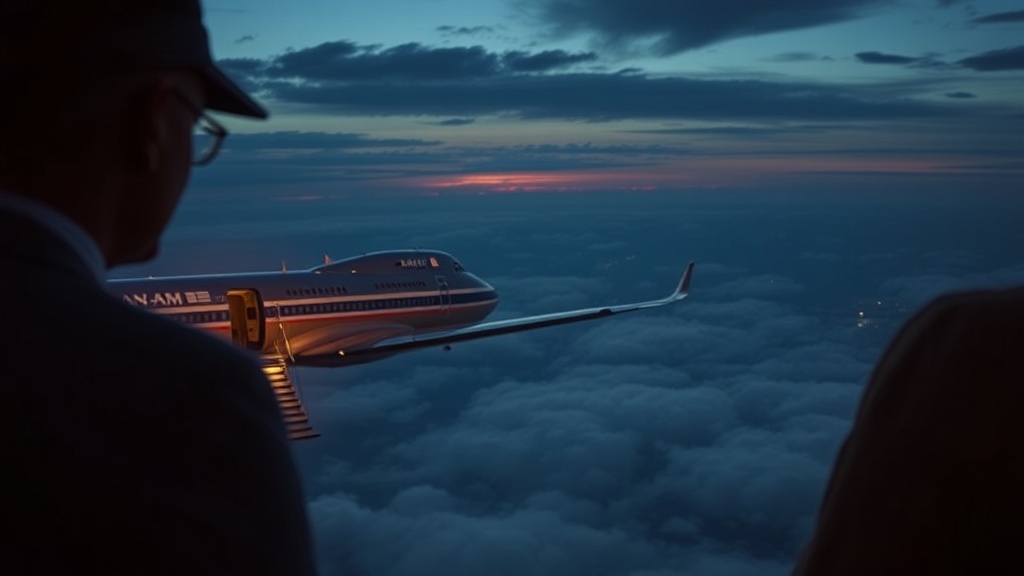
Preserving the Golden Age with Vintage Pan Am Ephemera

Many collectors assume that the most valuable pieces of Pan Am memorabilia are the large-scale items like flight attendant uniforms or heavy cabin service sets. That's a mistake. The real soul—and often the most stable long-term value—lies in the ephemeral: the paper-based artifacts that were never meant to last. This post examines the specific categories of Pan American World Airways ephemera that collectors are targeting today, from vintage boarding passes to cocktail menus, and how to preserve these fragile pieces for the future.
Pan Am wasn't just an airline; it was a lifestyle brand that defined mid-century luxury. When people think of the "Golden Age" of flight, they aren't just thinking of the planes. They're thinking of the way a passenger felt holding a heavy, cream-colored cardstock menu while sipping a martini at 30,000 feet. These items are much more fragile than a metal wing pin or a nylon flight bag, but they carry a different kind of weight in a collection.
What Makes Pan Am Ephemera Valuable?
The value of Pan Am ephemera is driven by its rarity, the condition of the paper, and the specific era it represents. Collectors look for items from the "Jet Age" transition—roughly the late 1950s through the 1970s—because that's when the branding was most iconic. A pristine 1960s cocktail menu from a Boeing 707 flight is worth significantly more than a generic 1980s passenger ticket. It’s about the aesthetic and the historical context.
Documentation from the Pan American World Airways Wikipedia page shows just how much the airline's identity shaped global travel. When you own a piece of that history, you aren't just holding paper; you're holding a piece of a vanished world. The scarcity of high-quality, uncirculated paper goods is the primary driver of price increases. Most of these items were tossed in the trash the moment a passenger stepped off the plane. That's why finding a "mint" condition menu is such a win for a serious collector.
There are three main categories of high-value paper collectibles:
- Travel Documents: Boarding passes, passports covers, and customs forms.
- In-Flight Service Items: Menus, cocktail lists, and napkin-folding guides.
- Marketing Materials: Travel brochures, advertising posters, and promotional postcards.
It's a nuance of the hobby. A weathered, torn boarding pass might look cool, but a collector wants the crisp edges of a document that looks like it just came off the printer. If it's been sitting in a damp attic for forty years, the value drops to near zero. You have to be picky.
How Do You Store Vintage Paper Memorabilia?
You should store vintage paper ephemera in acid-free, archival-grade sleeves and keep them in a temperature-controlled environment. Light and humidity are the two biggest enemies of paper. If you leave a vintage Pan Am travel brochure sitting on a sunny bookshelf, the UV rays will bleach the colors faster than you can say "Jet Age."
I've seen too many collectors make the mistake of using standard plastic sleeves from a craft store. Those often contain PVC, which can actually "off-gas" and ruin your items. It’s a bummer to see a beautiful 1965 flight itinerary become yellowed and brittle because of cheap storage. Always look for "acid-free" or "archival-safe" labels on your supplies.
| Storage Method | Pros | Cons |
|---|---|---|
| Mylar Sleeves | Highest protection; looks professional. | Can be more expensive. |
| Acid-Free Folders | Great for keeping brochures flat. | Takes up more physical space. |
| Display Frames | Great for visual impact. | Risks UV damage if not UV-protected. |
If you’re displaying a piece, use UV-filtering glass. It’s a small investment that saves a huge piece of history. Most people don't realize that even indoor light can degrade paper over time. It’s a slow process, but it happens. One day your vibrant blue Pan Am logo is bright and bold; a few years later, it's a pale, ghostly version of itself.
Which Pan Am Items Are Best for New Collectors?
The best items for beginners are vintage postcards and travel brochures because they are relatively affordable and easy to find. These items provide a great entry point into the hobby without requiring a massive upfront investment. You can find these frequently on auction sites or at specialized memorabilia shows.
Once you've mastered the basics of handling and storing paper, you might want to move into more specialized items. Here is a suggested progression for building a collection:
- Level 1: Postcards and Advertisements. High availability, low cost, easy to frame.
- Level 2: Menus and Cocktail Lists. Requires better storage, more specific to the airline experience.
- Level 3: Boarding Passes and Tickets. Very high rarity, highly dependent on condition.
- Level 4: Original Flight Maps and Route Charts. These are the "holy grails" for many, as they show the actual reach of the airline's empire.
Don't rush the process. I often tell people to start with what they actually find visually striking. If you love the typography of the 1960s, focus on the brochures. If you're a fan of the service side, hunt for the menus. It keeps the hobby fun rather than a chore. If you're purely chasing a checklist, you'll burn out. Also, check out the Smithsonian Institution archives online; they have incredible digitized collections that can serve as a reference for what authentic pieces actually look like.
The market for Pan Am is unique because the airline is gone, but the brand remains an icon. This means there is a constant influx of new collectors, but also a constant threat of high-quality fakes or "reprints" being sold as originals. Always verify the paper stock and the printing method if something feels off. Modern digital printing looks very different under a magnifying glass than the offset lithography used in the 1960s. If the colors look too "perfect" or the texture feels too modern, be skeptical.
One thing to watch for is the "reproduction" market. Some companies sell high-quality reprints of vintage posters. These are fine for decoration, but they have zero value as a collectible. If you're buying to invest, you must ensure you are getting the real deal. A genuine, slightly worn 1960s poster is infinitely more valuable than a brand-new, perfect-looking copy. It's the history—the actual, physical history—that we are after.
It's a fascinating world once you start looking closer. The more you look, the more you see the small details that make these pieces special. A tiny error in a printed menu or a specific font choice can tell you exactly when and where an item was produced. That's the real joy of the hunt.