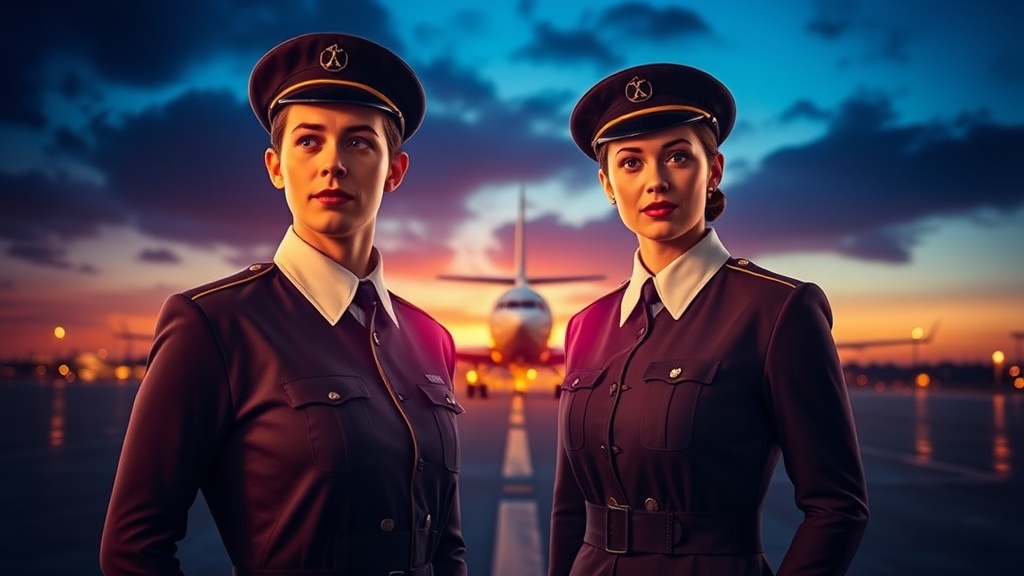
From Runway to Runway: The Evolution of Airline Crew Uniforms

Have you ever wondered why a vintage Pan Am scarf feels more like a piece of art than a simple accessory? This post examines the history of airline crew uniforms, tracking their shift from high-fashion statements to functional, standardized workwear. We'll look at how design philosophy changed alongside aviation technology and what collectors should look for when sourcing these pieces today.
For the serious collector, an airline uniform isn't just fabric. It's a physical record of an era's aesthetic priorities. When you're hunting for authentic crew pieces, you're not just looking for clothes; you're looking for the intersection of branding and high fashion.
Why are vintage airline uniforms so valuable to collectors?
Vintage airline uniforms are highly valued because they represent the peak of "glamourous" aviation, often featuring collaborations with legendary fashion houses that no longer exist in the same capacity. During the mid-20th century, airlines used fashion to signal luxury and reliability. Today, these pieces are rare because they were mass-produced for utility, not preserved as art. Finding a pristine piece of a defunct airline's wardrobe is a different beast than finding a standard vintage garment.
Take, for example, the way airlines used to partner with designers to create a sense of exclusivity. It wasn't just a uniform; it was a statement of status. If you can find a genuine piece from a defunct carrier, you're holding a fragment of a lost world. (And let's be honest, a silk scarf from the 1960s is much more interesting than a modern polyester one.)
Collectors often look for specific markers of authenticity. You'll want to check for branded buttons, specific embroidery patterns, or unique fabric textures that were proprietary to the airline. If you're unsure about what you've found, it helps to follow a guide to genuine airline memorabilia to ensure you aren't buying a modern reproduction.
The Golden Age of Flight (1950s–1960s)
This was the era of the "Stewardess." The aesthetic was heavily influenced by mid-century modernism and high-society elegance. Think structured silhouettes, pillbox hats, and heavy emphasis on silk and tailored wool. The goal was to make the crew look like they belonged in a five-star hotel lounge rather than a cramped metal tube.
- Pan Am: Known for their classic, sophisticated look that defined international travel.
- TWA: Often leaned into a more "modern" and streamlined aesthetic to appeal to the jet set.
- Materials: High-quality silks, heavy wool blends, and even custom-made jewelry pieces.
The design language of this period was unapologetically glamorous. The uniforms were designed to be seen. It wasn't just about doing a job; it was about embodying the brand's prestige. This is why these pieces are so sought after now—they represent a time when travel was an event, not a chore.
How did the design of airline uniforms change in the 1970s and 1980s?
The design shifted from high-fashion elegance to bold, colorful, and often more practical styles that reflected the social shifts of the era. As air travel became more accessible to the general public, the "exclusive club" vibe faded, replaced by a more approachable, energetic aesthetic. This era saw the rise of polyester, brighter colors, and more daring silhouettes.
During the 70s, you saw a lot of flared trousers and much more vibrant color palettes. It was a time of experimentation. The uniforms became less about "stiff elegance" and more about "personality." This transition is a fascinating point for collectors because the materials changed significantly. You'll notice a move from natural fibers to synthetic blends—which, frankly, can make preserving them a bit more tricky.
By the 1980s, the "Power Dressing" era took over. Uniforms became more structured, with prominent shoulder pads and sharper lines. It was an era of bold branding. The colors were often more standardized to match the increasingly aggressive corporate branding of the time. If you're looking to display these pieces, keep in mind that the textures are much different than the delicate silks of the 50s.
| Era | Primary Aesthetic | Common Materials | Collector Interest Level |
|---|---|---|---|
| 1950s-60s | Mid-Century Glamour | Silk, Wool, Fine Crepe | Very High (Museum Quality) |
| 1970s | Bohemian/Bold | Polyester, Synthetic Blends | Moderate (Niche) |
| 1980s | Power Dressing | Structured Synthetics, Lycra | Moderate (Niche) |
The shift in materials is a big deal for those of us into aviation fashion. A 1960s silk scarf requires much more delicate handling than a 1980s polyester tie. It's a different kind of care entirely.
What are the most collectible airline uniform items?
The most collectible items are typically the high-end accessories and branded accessories that were produced in limited quantities or used by specific high-status crews. While full uniforms are impressive, the "small" items often tell the biggest stories and are easier to collect and display.
When I'm looking at what to add to a collection, I tend to look at these categories:
- Silk Scarves: These are the gold standard. They are easy to frame, easy to store, and the patterns are often breathtaking.
- Pilot Wings and Badges: Metal insignia are fantastic for display. They have a weight and a tactile quality that fabric lacks.
- Hat Boxes and Headwear: A vintage pillbox hat or a structured pilot's cap adds great verticality to a display.
- Branded Pins: These are the "entry-level" collectibles but can be incredibly valuable if they are from a defunct, prestigious airline.
The catch? Many of these items are made of materials that can degrade. A vintage silk scarf is a dream, but if it's been stored in a damp basement, the fibers might be compromised. Always check the integrity of the fabric before you commit to a purchase. If you're planning to show off your finds, you might want to look into how to curate and display fashion collectibles to ensure they stay in top shape.
One thing to watch out for is the "replica" market. Because certain airlines (like Pan Am or TWA) have such iconic branding, there are many modern-made "vintage-style" items floating around. These are fine for decoration, but they won't hold value the way an original piece will. Look for the specific manufacturing marks or labels that are consistent with the era's production standards.
The evolution from the structured, high-fashion uniforms of the mid-century to the more functional, branded looks of the modern era tells a story of how we view travel. It went from a glamorous, rare experience to a routine part of modern life. As a collector, you're not just collecting clothes—you're collecting the changing way humans have interacted with the sky.
Whether you're looking at a heavy wool blazer or a simple branded lapel pin, the history is baked into the thread. It's the little details—the way a button is cast or the specific shade of a tie—that make the hunt so rewarding. Keep looking for those small, authentic markers. They're what turn a simple piece of clothing into a piece of history.